Get Ductwork Replacement
Ductwork replacement services help property owners upgrade or repair heating and cooling ducts to improve airflow, efficiency, and indoor air quality through trusted local contractors.
Property owners considering ductwork replacement often do so to improve indoor air quality, enhance energy efficiency, or address issues like uneven heating and cooling. Whether planning a major renovation or responding to aging infrastructure, exploring options with experienced local contractors can help ensure the project aligns with specific needs and building requirements. This page is designed to assist in comparing local service providers who can handle ductwork replacement, making it easier to find qualified professionals in the area.
By reviewing available local contractors, property owners can gather information to make informed decisions about their ductwork replacement projects. Taking the time to evaluate different options helps ensure the work is completed to meet the property's unique demands. Keep reading to discover how local service providers can assist with planning and executing ductwork upgrades effectively.
- Old ductwork replacement - needed when existing ducts are outdated, damaged, or inefficient.
- Leaking duct systems - require replacement if air leaks are causing energy loss and uneven heating or cooling.
- Upgrading for improved airflow - necessary when homeowners experience poor indoor air quality or inconsistent temperatures.
- Retrofitting for new HVAC systems - needed when installing a new heating or cooling system that requires compatible ductwork.
- Ductwork damage from pests or wear - should be replaced if rodents, pests, or age have compromised the duct integrity.
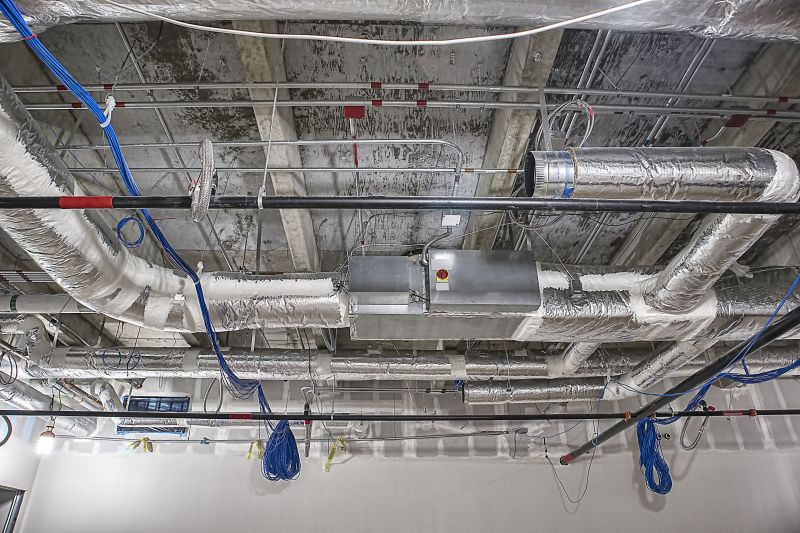
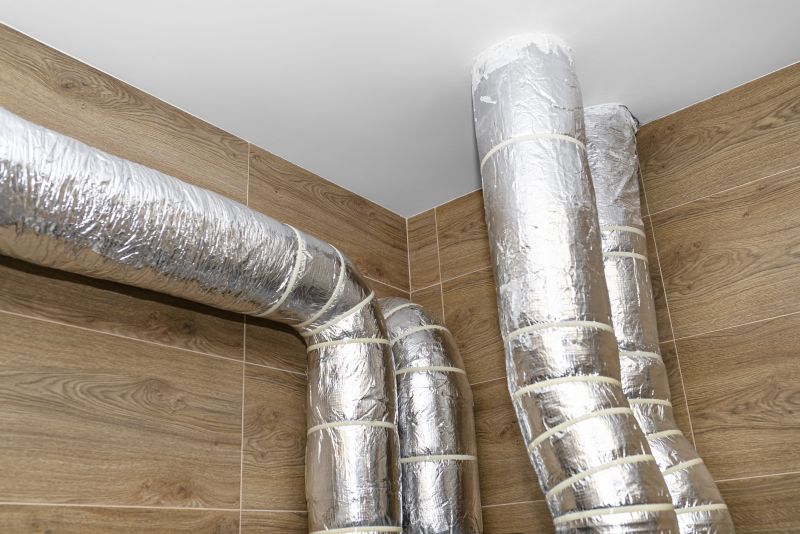
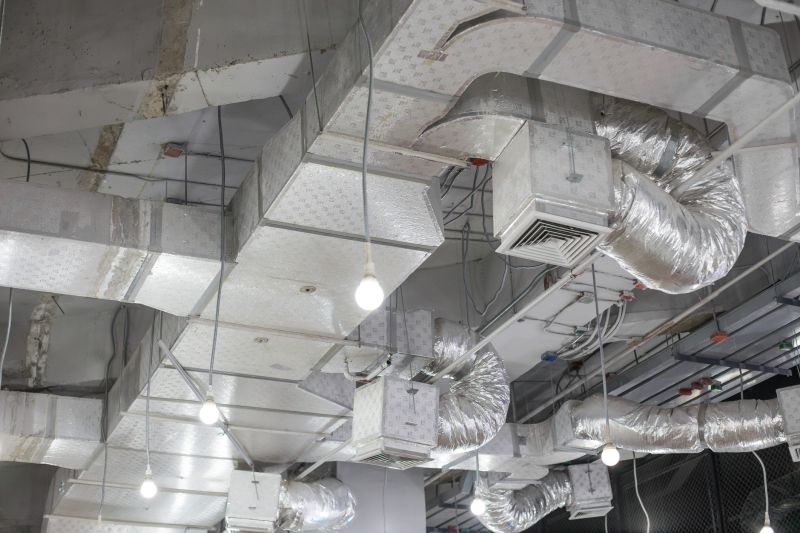
Ductwork replacement involves removing outdated or damaged air ducts and installing new, efficient duct systems within a property. This service typically includes inspecting the existing duct network, removing any sections that are compromised, and installing new ducts that are properly sealed and insulated. The goal is to ensure that heated or cooled air flows smoothly through the system, improving overall HVAC performance and indoor comfort. Professional contractors use quality materials and precise installation techniques to help maximize the efficiency of the heating and cooling system.
Replacing ductwork can address a variety of common problems homeowners experience with their HVAC systems. Over time, ducts can develop leaks, tears, or corrosion, which lead to air loss and reduced system efficiency. Poorly functioning ducts may also cause uneven heating or cooling, resulting in hot or cold spots throughout the property. Additionally, damaged or uninsulated ducts can contribute to higher energy bills and increased wear on the HVAC unit. A ductwork replacement can resolve these issues, leading to better indoor air quality, improved comfort, and lower energy costs.
This service is often needed in properties that are older or have undergone significant renovations. Commercial buildings, multi-family residences, and single-family homes all may require ductwork replacement at some point, especially if the existing system is outdated or failing. Properties with visible signs of duct damage, such as excessive dust, mold growth, or inconsistent temperatures, are also common candidates. Homeowners planning to upgrade their HVAC system or improve energy efficiency may find that replacing their ductwork is a crucial step toward achieving optimal performance.
When considering ductwork replacement, it’s important to work with experienced local contractors who understand the specific needs of different property types. Properly installed ducts can improve airflow, reduce energy waste, and enhance overall comfort. Service providers can assess the current duct system, recommend suitable materials and designs, and ensure the installation is done correctly. Whether for a residential, commercial, or specialty property, professional ductwork replacement can be a practical solution to longstanding HVAC issues and a step toward more reliable heating and cooling.
The overview below groups typical Ductwork Replacement projects into broad ranges so you can see how smaller, mid-sized, and larger jobs often compare in your area.
In many markets, a large share of routine jobs stays in the lower and middle ranges, while only a smaller percentage of projects moves into the highest bands when the work is more complex or site conditions are harder than average.
Smaller Repairs - typical costs for minor ductwork fixes or patching range from $250-$600. Many routine repairs fall within this middle range, depending on the extent of the work needed.
Partial Replacement - replacing sections of ductwork usually costs between $1,000 and $3,000. Larger, more complex partial replacements can push costs higher but are less common.
Full Duct System Replacement - complete duct system replacements often range from $3,500 to $7,500. Most projects in this category tend to fall within this range, with very large or intricate systems reaching higher prices.
Complex or Custom Projects - extensive or highly customized ductwork replacements can exceed $10,000. These are less common and typically involve specialized requirements or large-scale installations.
Actual totals will depend on details like access to the work area, the scope of the project, and the materials selected, so use these as general starting points rather than exact figures.
HVAC Duct System Installation - local contractors who install or replace duct systems for heating, ventilation, and air conditioning often have skills similar to those needed for ductwork replacement projects.
Air Vent and Register Replacement - replacing or upgrading air vents and registers involves planning and working with existing ductwork, making it related to ductwork replacement services.
Commercial Ductwork Services - commercial property projects that involve designing, installing, or replacing large-scale duct systems require similar expertise and planning as residential ductwork upgrades.
Insulation for Duct Systems - installing or upgrading insulation within ductwork shares tools and techniques with duct replacement, focusing on improving efficiency and performance.
Indoor Air Quality Improvements - projects that involve sealing leaks or cleaning duct systems are related, as they require understanding of duct layouts and airflow management.
Ventilation System Upgrades - upgrading or installing new ventilation systems involves planning and installing ductwork, aligning closely with ductwork replacement skills and tools.
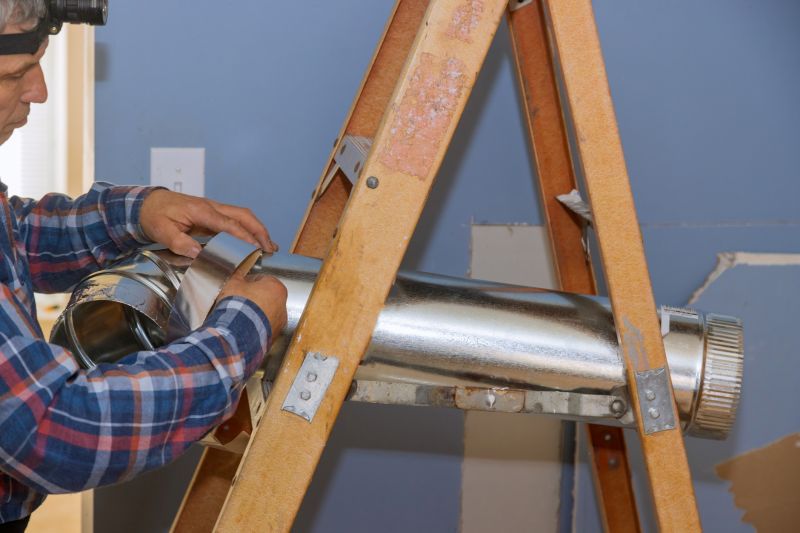
When selecting a contractor for ductwork replacement, it’s important to consider their experience with similar projects. Homeowners should inquire about the types of ductwork jobs the service provider has handled in the past to ensure they have relevant expertise. A contractor who has successfully completed comparable work is more likely to understand the unique challenges involved and deliver a quality outcome. Looking into their background with projects similar in scope and complexity can help provide confidence that the chosen professional is well-equipped to handle the job effectively.
Clear written expectations are essential to a smooth working relationship. Homeowners should seek out service providers who can provide detailed descriptions of the work scope, materials to be used, and the steps involved in the project. Having a well-defined plan helps prevent misunderstandings and ensures everyone is on the same page. It’s also beneficial to request written estimates or proposals that outline what is included and what is not, so expectations are transparent from the outset. This clarity can help make the decision process more straightforward and reduce potential surprises during the project.
Reputable references and good communication are key indicators of a trustworthy contractor. Homeowners should ask for references from previous clients who had similar ductwork replacement services performed. Speaking with past customers can provide insights into the contractor’s professionalism, reliability, and quality of work. Additionally, effective communication throughout the process-such as responsiveness to questions and clarity in explanations-can make the experience more manageable. When evaluating local service providers, it’s helpful to consider these factors to find a professional who is not only experienced but also easy to work with and committed to client satisfaction.
Property owners use Ductwork Replacement services for practical projects around their homes and businesses. This guide focuses on everyday jobs and straightforward project options.
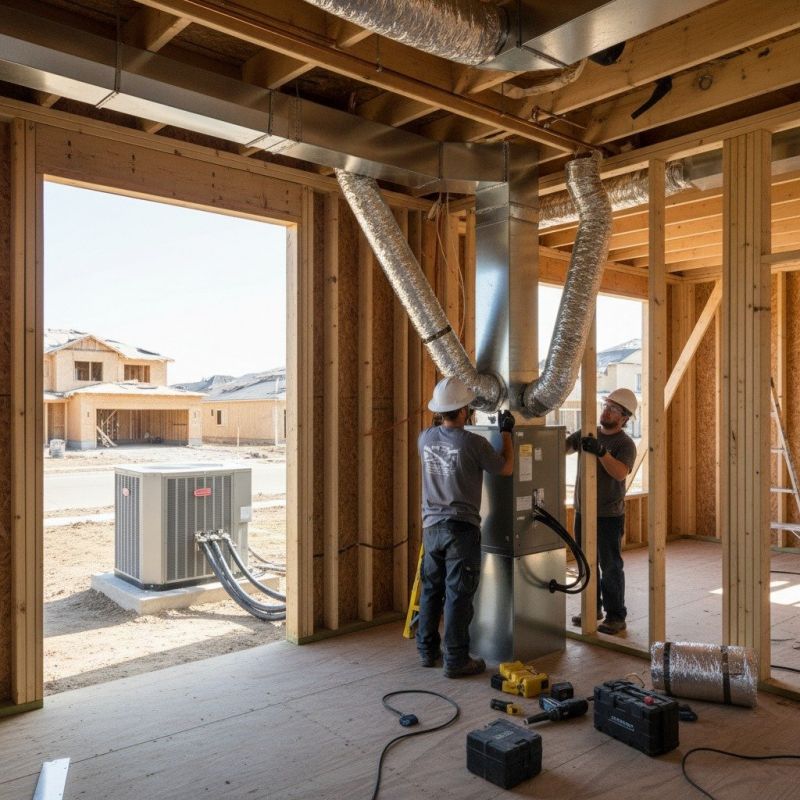
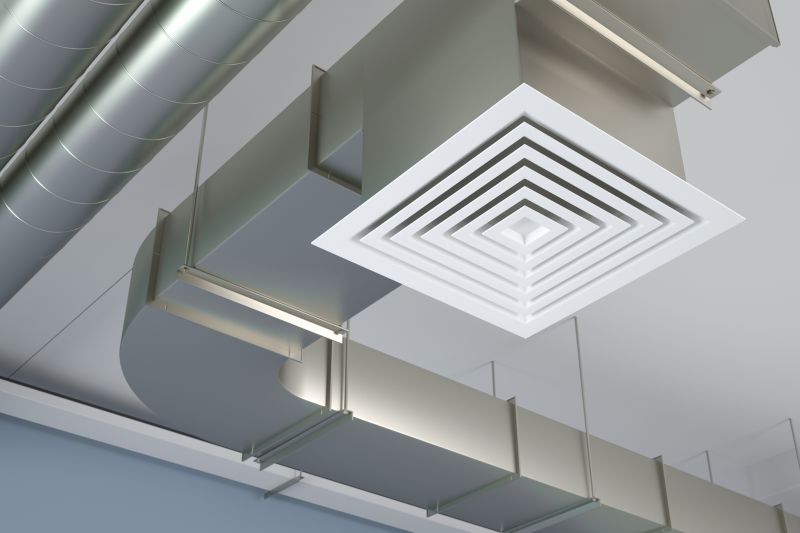
Ductwork replacement services are often needed when existing systems become inefficient or develop issues that impact indoor comfort. Property owners in the area may notice uneven heating or cooling, increased energy bills, or persistent indoor air quality concerns, prompting them to seek professional ductwork upgrades. Local contractors can assess these situations and provide solutions to improve airflow and system performance, ensuring a more comfortable living or working environment.
Additionally, aging or damaged duct systems may develop leaks, blockages, or corrosion over time, reducing their effectiveness and potentially leading to costly energy waste. Property owners might look for ductwork replacement when renovations are underway or if the current system no longer meets the needs of the space. Service providers in the community can handle these projects, helping to restore proper airflow and enhance overall HVAC efficiency.
What are signs that ductwork needs to be replaced? Common indicators include uneven heating or cooling, excessive dust, or visible damage to the ducts, which may suggest replacement is necessary.
Why should I consider replacing my ductwork? Replacing outdated or damaged ducts can improve indoor air quality and system efficiency, potentially enhancing overall comfort.
How do local contractors handle ductwork replacement? Experienced service providers assess the existing duct system, recommend suitable replacements, and install new ducts to ensure proper airflow and performance.
Is ductwork replacement disruptive to my home? Professional contractors aim to perform replacements efficiently, minimizing disruption and ensuring the work area is cleaned afterward.
What types of duct materials are available for replacement? Local service providers typically offer various materials, such as flexible ducts, sheet metal, or insulated ducts, to suit different needs and preferences.
Upgrade Ductwork for Better Air Quality - Replacing outdated duct systems can improve indoor air quality and reduce dust buildup in the home.
Improve HVAC Efficiency - Installing new ductwork can help your heating and cooling systems operate more efficiently, leading to better temperature control.
Prepare for Home Renovations - Replacing ductwork is a practical step when remodeling or expanding living spaces to ensure proper airflow throughout the property.
Address Duct Damage or Leaks - Repairing or replacing damaged duct sections can prevent energy loss and maintain consistent climate control inside the building.
If you are thinking about Ductwork Replacement for a property, this guide is meant to help you understand the work, the typical project types, and how different options might fit your plans.
When you are ready, you can use the quote form on this page to share a few details about your project. From there, local pros can review the basics and respond with options that match what you have in mind.